

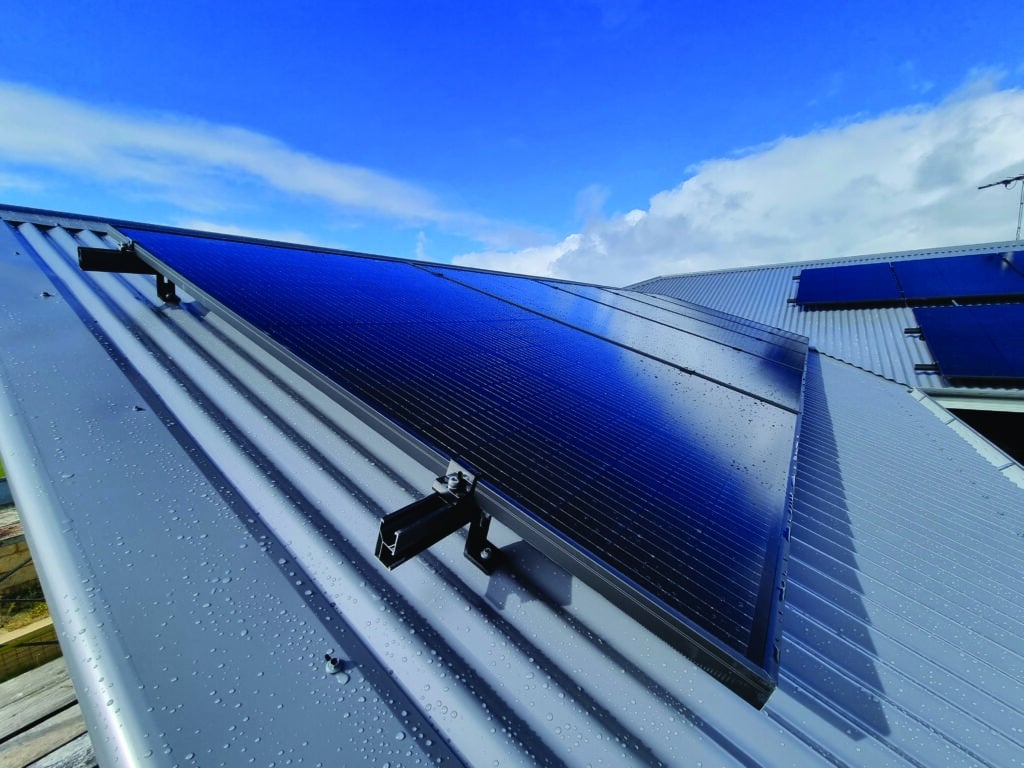
Solar installation looks straightforward from the outside: panels go on the roof, power gets cheaper. The reality involves several stages most homeowners never see until they’ve booked a quote. As a family-owned WA business trading since 1995, we believe in honest, straightforward advice with zero sales pressure. Here’s what a quality solar power installation in Perth actually involves, from first assessment to the day your system goes live.
What happens during a solar site and roof assessment?
A technician assesses your roof type, orientation and pitch, along with any shading from trees or neighbouring structures at different times of day. Perth roofs vary between tile and Colorbond, and each has different mounting requirements. This stage also looks at your household’s energy use patterns, since panel layout and system sizing should reflect how and when you actually use power, not just roof space available.
Why does the switchboard get checked before anything else goes up?
Your switchboard needs to handle the new solar connection safely, and older Perth homes sometimes need upgrades here before installation can proceed. This gets checked early precisely so it doesn’t become a surprise halfway through the job.
How is panel layout and orientation decided?
Panels are positioned for maximum usable sun exposure across the day, factoring in your roof’s orientation, any shading, and how many solar panels in Perth you are installing. North-facing sections of Perth roofs generally get prioritised, but a good installer works with what your roof actually offers rather than a generic layout.
Where does the inverter go, and why does it matter?
Inverter placement affects both performance and lifespan. It needs airflow around it and protection from direct sun and moisture, which usually means a shaded external wall or a garage location rather than wherever is convenient to route cables to.
Who handles the rebate paperwork?
This is the stage homeowners tend to underestimate. Meter arrangements and network paperwork need to be submitted and approved before your system is switched on, and this process involves Western Power and the relevant rebate scheme. Stinson Air & Solar manages the rebate and network application paperwork as a standard part of the installation, so you’re not left chasing forms or approvals yourself. It’s a genuine point of difference, not a footnote, and it’s one of the most common things past customers mention when they talk about their experience.
What happens at commissioning and monitoring handover?
Once everything is connected and approved, the system is commissioned and tested. As CEC accredited installers and certified Tesla Powerwall installers, we back all our work with a 10-year workmanship warranty. You’ll be shown how to read your monitoring app, what normal output looks like for your system size, and who to contact if something looks off. A proper handover means you leave understanding your own system, not just that it’s “on.”
Thinking about solar for your Perth home? Every stage above is part of how we approach a standard installation. Visit our solar installation Perth page to see how we assess your home and roof before recommending a system.
Frequently asked questions
Do I need to organise the rebate application myself?
No. This is handled by Stinson as part of the installation process, including the network paperwork with Western Power.
How long does a typical Perth solar installation take from quote to switch-on?
This depends on network approval timeframes as well as the physical install, and can vary month to month.
Does roof type affect how solar power installation is carried out?
Yes. Tile and Colorbond roofs need different mounting approaches, which is assessed during the initial site visit for installing solar panels in Perth.